Ledger Live: Language Support and Localization
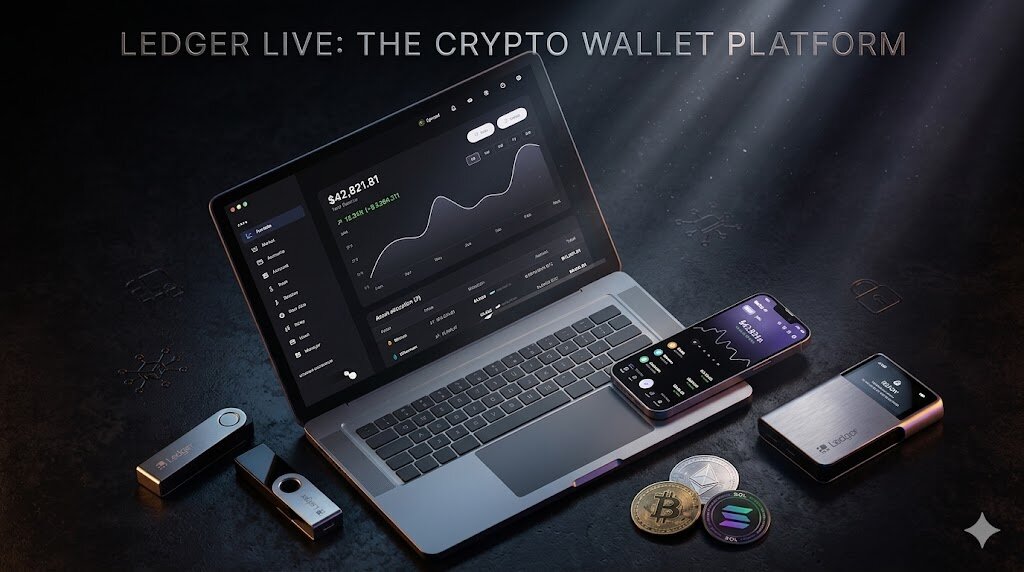
Available Languages Across Ledger Live App Versions
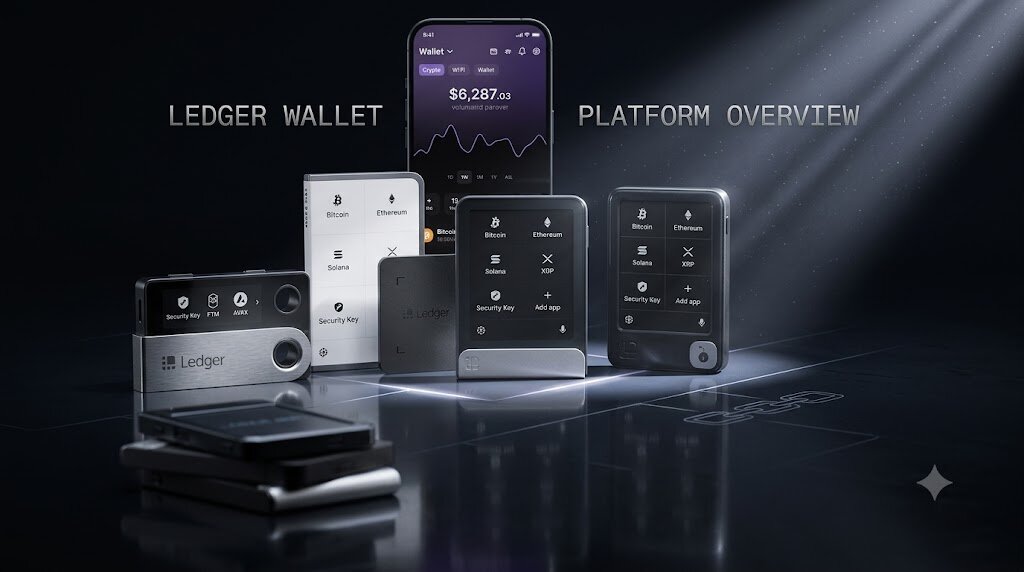
Primary Languages With Full Coverage Several languages receive full translation coverage across essentially all interface elements. English serves as the default and reference language against which other translations get measured. French follows closely since Ledger originated in France, meaning French translations often appear or update alongside English text. Spanish coverage handles the substantial Spanish-speaking user base across both Spain and Latin American markets. The specific dialect choices sometimes favor peninsular Spanish over Latin American variants, though most terminology remains understandable across Spanish-speaking regions regardless. German, Chinese, Japanese, Korean, and Russian all receive substantial coverage. Users in these languages find most interface elements translated appropriately. Occasional English text appears in newly added features before translations catch up, but the core wallet functionality operates in the user's chosen language.
Partial Language Support Some languages appear in the language selection menu but with less complete coverage than the primary languages. Portuguese sits in this category, handling Brazilian and Portuguese users. Italian, Dutch, Polish, and Turkish also fall into partial coverage.
Newer feature releases sometimes ship with only primary language translations initially. Users of partially supported languages see English fallback text for these newer features until subsequent updates add translations. This lag varies. Sometimes translations arrive within weeks. Other times they take months. Reporting missing translations through official channels sometimes accelerates their addition. Users noticing untranslated elements can flag them for translation priority. Whether this actually affects timelines varies, but the option exists for users motivated to improve coverage for their language.
Regional Variants and Dialects Language variants create tricky localization decisions. Portuguese in Brazil differs meaningfully from European Portuguese. Chinese has traditional and simplified script variants. Spanish spans peninsular and various Latin American dialects. Ledger Live handles these variants inconsistently. Simplified Chinese versus Traditional Chinese usually appear as distinct language options since the writing systems differ enough to require separate translations. Portuguese variants sometimes appear as one option covering both regions imperfectly. Spanish typically appears as one option using terminology that works across most Spanish-speaking regions. Users needing specific dialects sometimes accept imperfect handling since the alternative would be no translation at all. Someone in Brazil using European Portuguese translations still gets more useful interface than pure English fallback. The gap doesn't prevent usage even when the localization isn't perfect for their specific regional context.
Changing Language Preferences Inside the Wallet
Modifying language settings happens through straightforward interface navigation rather than requiring complex configuration.
Settings Menu Location Language selection lives within the general settings menu accessible from the main interface. Users navigate to settings, find the language subsection, and select their preferred language from the available list. The settings menu organization stays consistent across languages once selected. Someone changing from English to Japanese finds the same menu structure translated into Japanese rather than reorganized differently. This consistency helps users predict where to find specific settings regardless of which language they're currently using. Language selection interfaces typically show language names in their native scripts rather than transliterated versions. Chinese appears as 中文, Japanese as 日本語, and so on. This native display helps users identify their language quickly rather than requiring familiarity with English names for their own languages.
Immediate Application Behavior Changing languages takes effect immediately without requiring application restart. Menus, buttons, and text throughout the interface switch to the newly selected language as soon as users confirm the selection. Some elements might briefly show mixed language content during the transition, particularly if the language change happens while data is loading. This mixed display resolves quickly as the interface refreshes to the new language consistently. Users concerned about brief inconsistencies can force a full refresh by closing and reopening the application. The Ledger Live app remembers language preferences across the entire application. Users don't need to set language separately for different sections. One language setting applies to the whole interface uniformly.
Persistence Across Sessions Selected languages persist across application restarts. Closing and reopening the application preserves language settings from the previous session. Users don't need to reselect their language every time they use the wallet. Persistence extends to updates as well. Application updates don't reset language preferences to defaults. Users updating their wallet software find their selected language still active after the update completes, along with any other settings they'd customized before updating. Some sync operations propagate language preferences across installations when users maintain the wallet on multiple devices. Others don't. Users setting up new installations sometimes need to reselect their preferred language even when other data has synced, though the language selection process itself takes only seconds.
Ledger Live Wallet Localization Elements Beyond Interface Text
Currency Display Preferences Displaying portfolio values requires choosing a fiat currency for the display. USD serves as the widely used default but many users prefer their local currencies for portfolio calculations that match their financial thinking. Supported currencies extend across major world currencies. Users select their preferred display currency independent of their language selection since these preferences don't always align. Someone using English interface might display values in EUR. Someone using Japanese interface might display values in USD. Currency conversion happens through third-party price feeds that provide exchange rates. The wallet displays portfolio values calculated using current rates for the selected display currency. Rate updates happen alongside other price data updates, meaning displayed values reflect reasonably current exchange rates without significant staleness.
Date and Time Formats Date formats vary meaningfully across regions. American conventions differ from European ones. Asian conventions differ from both. Displaying dates in unfamiliar formats creates cognitive friction even when users can technically parse the meanings.
Ledger Live handles date formatting based on the operating system's locale settings rather than requiring separate configuration within the wallet. Users setting their system locale correctly find the wallet displays dates in matching formats automatically. Time zone handling similarly follows system settings. Transaction timestamps display in the user's local time zone rather than UTC by default. Users comparing timestamps across regions sometimes find this local display helpful, while other times UTC display would help avoid confusion. The current handling favors local display consistently.
Number Formatting Conventions Decimal separators and thousands separators differ across regions. American conventions use period for decimals and comma for thousands. Many European conventions reverse these. Some regions use spaces as thousands separators. Others use different scripts entirely for numerals. Number formatting typically follows system locale settings rather than requiring separate configuration. Users find numeric displays match their expected conventions without needing to configure this explicitly. Very large or very small numbers sometimes use scientific notation depending on display space and specific value ranges. Precision handling varies by asset type. Fiat values usually show two decimal places. Cryptocurrency amounts might show many more decimal places to accommodate the small unit sizes that some cryptocurrencies use. The interface handles these variations without requiring user configuration for typical use cases.
Hardware Device Language Independence
The hardware device operates somewhat independently of the application language settings. Understanding this independence helps users configure their setup coherently.
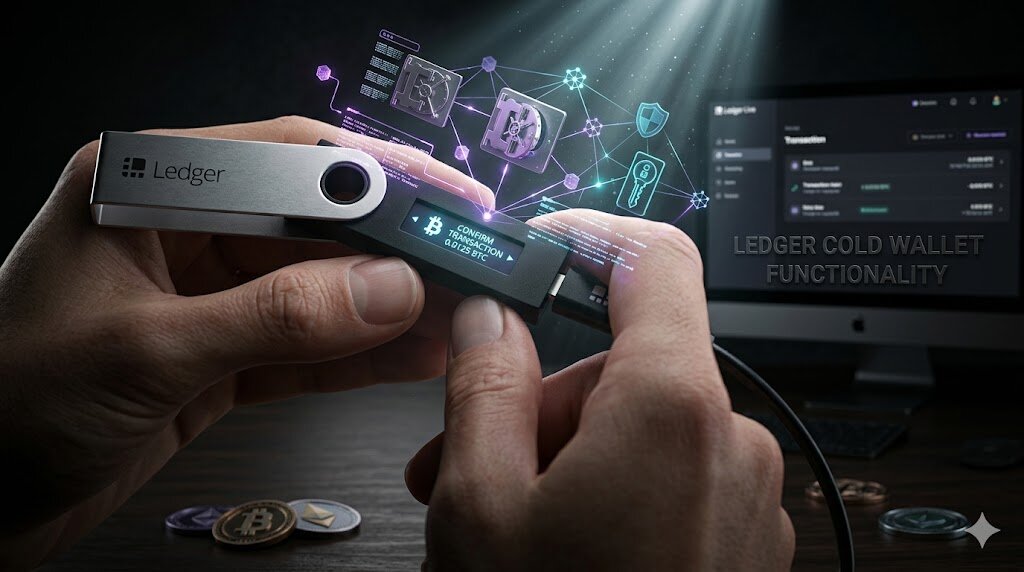
Device Interface Languages Ledger devices with screens support their own language selection independent of the application. Users can set the device to display in one language while running the application in another, though most users prefer matching languages for consistency. Device language coverage varies by model. Newer devices with larger screens support more languages than older devices with tiny displays. Some very short display messages appear in English regardless of device language settings since specific technical terms don't have equivalents in all languages. PIN entry and other security-critical operations happen on the device in whatever language the device uses. Recovery phrase display uses the specific BIP39 wordlist in the language the device supports for those operations. English typically serves as the primary wordlist language, though other wordlists exist for various supported languages.
Coordinating Device and Application Languages Most users prefer matching device and application languages for cognitive consistency. Setting both to the same language means all interfaces use consistent terminology, reducing mental translation overhead during transactions. Some users deliberately mismatch languages for various reasons. Multi-language users comfortable in multiple languages sometimes prefer device English with application in their native language. Users learning specific languages sometimes set devices to their target language for practice while keeping applications in more familiar languages. Language coordination happens through separate settings rather than automatic sync. Changing application language doesn't automatically change device language. Users wanting synchronized settings need to configure both separately, though the process for each takes minimal time. Localization Element
Configured Where
Independent Of
Interface language
Application settings
System locale
Display currency
Application settings
Interface language
Date and time format
System locale
Application settings
Number formatting
System locale
Application settings
Time zone
System locale
Application settings
Device language
Device settings
Application settings
Recovery phrase language
Device wordlist
Interface language
Fiat purchase methods
User region
Language selection
Regional Availability of Ledger Live App Features
Buy Crypto Availability by Region Fiat-to-crypto purchases work through third-party payment processors with their own regional restrictions. Different countries and regions have different available payment methods and different provider coverage. Users in major markets have broad options across multiple providers. Users in smaller markets sometimes have only limited providers available. Users in certain regions face regulatory restrictions that limit available options substantially or eliminate buy functionality entirely regardless of provider capabilities. The wallet displays available payment methods based on user location during purchase flows. Location detection uses various signals to determine appropriate provider options. Users encountering unexpected restrictions sometimes find that VPN usage or different account setups affect what displays as available.
Sell Crypto and Off-Ramp Restrictions
Selling crypto for fiat currency involves off-ramp providers with their own regulatory restrictions. These restrictions often differ from buy restrictions. Some regions support buy but not sell. Some support both. Some support neither. Users planning to sell substantial amounts sometimes prefer external exchanges over in-wallet sell functionality regardless of availability. Exchange rates and fees might work better through direct exchange usage. The in-wallet sell option provides convenience while not necessarily providing the best economic outcomes for larger transactions. Regulatory changes affect off-ramp availability periodically. Providers sometimes exit markets due to regulatory pressure. New providers sometimes enter markets as regulations clarify. Users returning to sell functionality after periods of inactivity sometimes find the available options have shifted from what they remembered previously.
Language Coverage Versus Feature Coverage Someone using Japanese interface might find that certain features aren't available in Japan even though the interface fully supports Japanese language. Someone using English interface in Nigeria might find features work differently there than in the United States despite identical language. Language selection is largely independent of feature availability. Users should evaluate both dimensions separately when planning wallet usage. Language coverage for their preferred language. Feature availability in their specific region. Both matter, and neither implies the other automatically. Common language and localization considerations for users include the following: 1. Selecting interface language matching personal comfort and fluency 2. Choosing display currency reflecting typical financial thinking 3. Configuring system locale for appropriate date and number formats 4. Setting device language for coordinated interface consistency 5. Understanding feature availability separately from language coverage 6. Recognizing that some newer features may show English fallback text 7. Reporting missing translations through official channels 8. Coordinating language settings across multiple installations if needed